
New!
Our boss nut
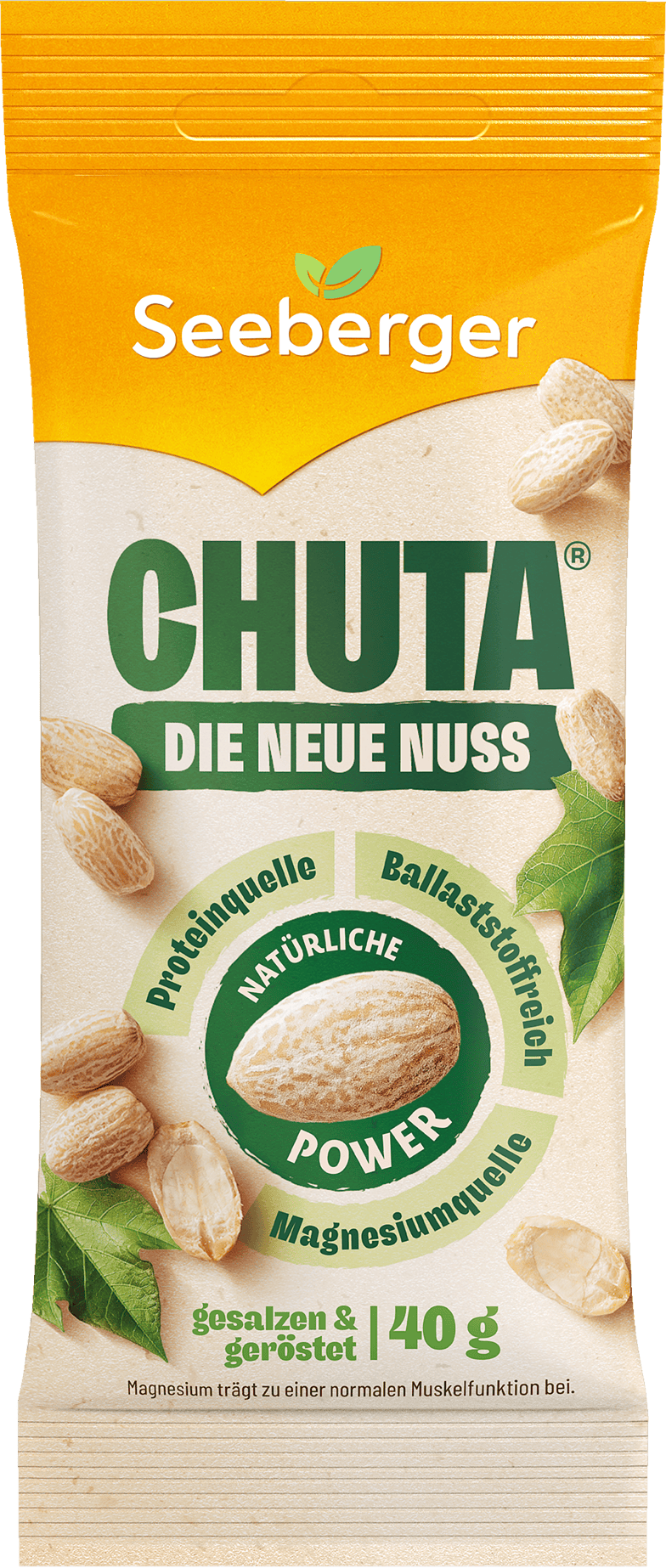
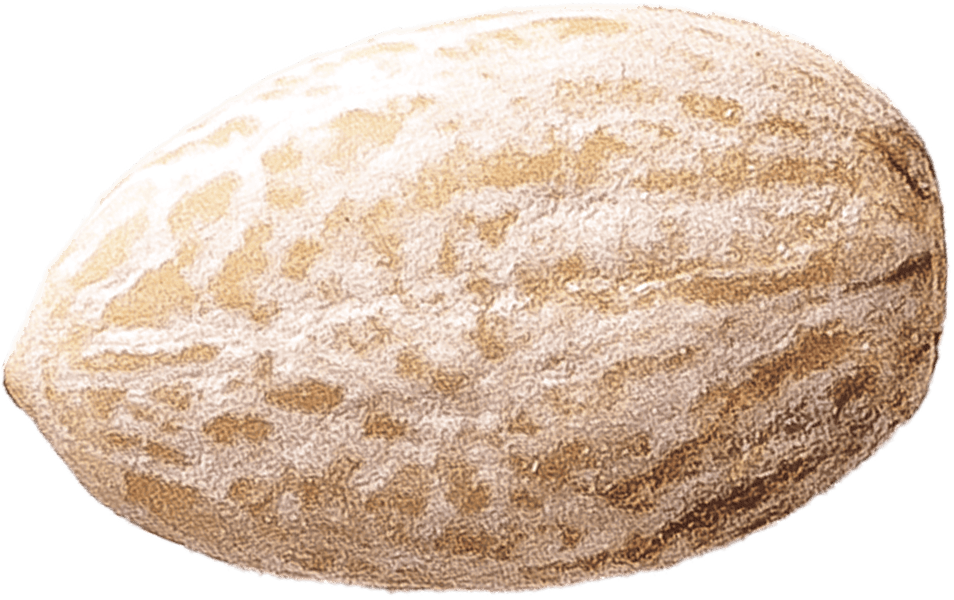
Chuta is the latest high-performance snack from Seeberger. A nut that very few people have heard of before, which is precisely why it is now attracting attention. Why do we call it the Boss Nut? With Chuta, we are welcoming a new arrival from one of nature’s most nutrient-rich food groups. And that’s not all: it has a subtly nutty flavour, is crunchy on the outside and wonderfully creamy on the inside.
ACTUALLY TOO GOOD FOR THE BACK OF THE PACK - The nutritional values of the new Chuta nut
Protein contributes to the maintenance of muscle mass and normal bones. With 22 g of protein per 100 g, Chuta is a source of protein.
Fibre contributes to normal bowel function. With 9.6 g per 100 g, Chuta is high in fibre.
Magnesium performs many important functions in the body. Among other things, this mineral contributes to normal muscle function, normal energy-yielding metabolism and the reduction of tiredness. With 470 mg per 100 g, Chuta is a source of magnesium.
Unsaturated fatty acids are an important part of a balanced diet. Replacing saturated fats with unsaturated fats in the diet contributes to the maintenance of normal blood cholesterol levels. With 24 g per 100 g, Chuta is high in unsaturated fatty acids.
MOTHER NATURE MADE IT POSSIBLE
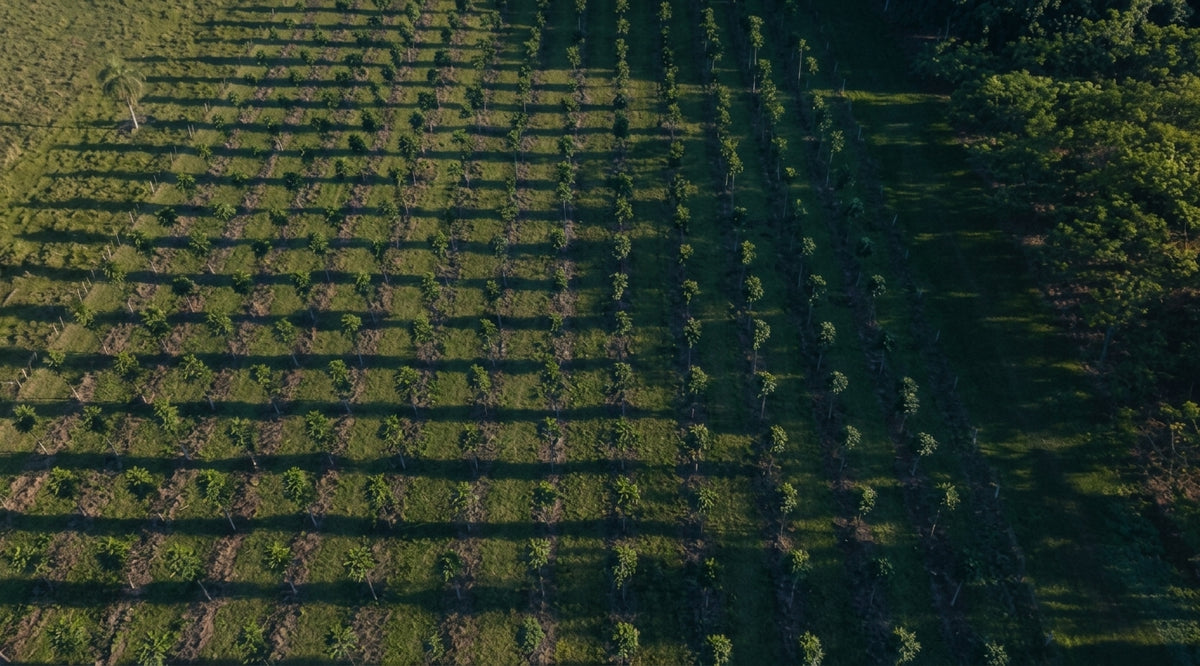
There are still many undiscovered treasures on our planet. Chuta is one of them. It has long been used as a food by the Totonac people in the Mexican region of Veracruz, where it is traditionally gathered in the wild. Several years ago, a research group recognised its unique potential. This gave rise to a strong network of innovators, agricultural experts and Seeberger, united by one shared goal: to cultivate Chuta under optimal conditions in Paraguay.
ENVIRONMENTAL SUSTAINABILITY
AGROFORESTRY SYSTEM
Chuta grows in an agroforestry system, where ground vegetation, shrubs and trees grow together at different levels. This creates a diverse structure that is closer to a natural ecosystem than a conventional plantation.
ROOTED IN PARAGUAY
FOR THE REGION. WITH THE REGION.
Chuta creates value locally. People from the region receive permanent employment contracts, a regular income and social security benefits. That may sound like a given to us, but it is not the norm there. It means reliable pay and social protection in an environment where neither can be taken for granted. 80 % of employees come from the surrounding area. This ensures that income, knowledge and opportunities remain where Chuta grows.
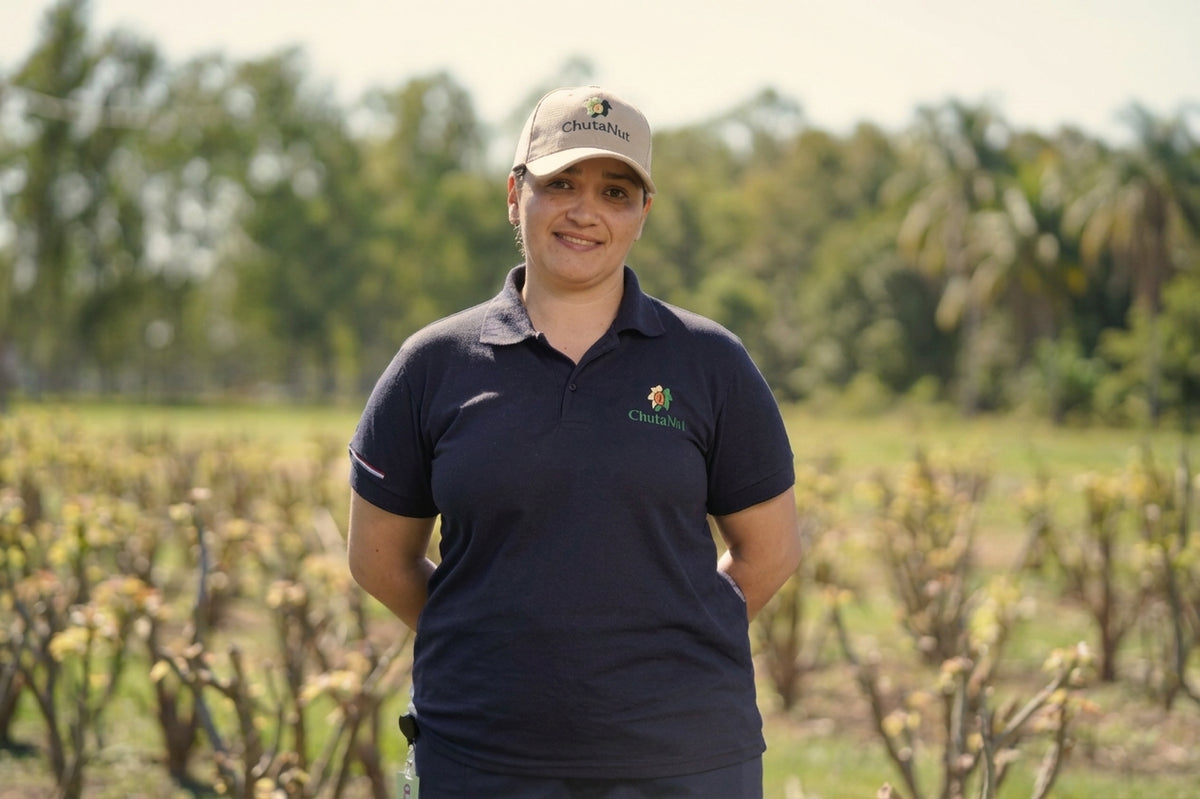
Empowering women
Women are actively recruited. Having their own employment contract and income provides financial independence and represents a step towards greater equality.
At the same time, new role models emerge: women who make a visible contribution to their families’ income and to the development of their communities.
No artificial irrigation
Chuta grows without artificial irrigation, meaning no additional water stress for the region.

Naturally sun-dried
Chuta is dried using the power of the sun. Hybrid renewable energy is only used when the weather does not allow for natural sun-drying.
Ready for something new?
Try Chuta
Picked, roasted, salted. And ready to become your new favourite nut.
FAQs about Chuta Nuts
Everything you need to know.
What exactly is Chuta?
In short: a new nut. One that hardly anyone has heard of before, which is exactly what makes it stand out. With Chuta, a new kind of nutty enjoyment is joining the Seeberger range, with a short name and a whole lot to offer. Why do we call it the Boss Nut? Because it combines three strengths: Chuta is a source of protein, high in fibre and high in magnesium, which contributes to normal muscle function. And as with any snack, Chuta is best enjoyed as part of a varied, balanced diet and a healthy lifestyle.
Where does Chuta come from?
Chuta comes from Mexico. The Totonac people live along the Gulf Coast in the state of Veracruz, where Chuta has long been part of the local diet. If you’re preparing tamales or pipián there, Chuta may well find its way into the recipe too. At some point, a group of researchers with a keen eye for new discoveries came across the nut and recognised its potential. That marked the beginning of a journey that continues today in Paraguay.
Where are Chuta nuts grown?
In the San Pedro Department on the Paraguay River. Travel around 150 kilometres north from the capital, Asunción, and you’ll find yourself right in the region where Chuta grows before eventually making its way into your Seeberger bag. The conditions there are just right for it.
What is an agroforestry system?
But good things take time and the right minds. In Paraguay, farmers and innovative developers have spent years working together on Chuta. Now it’s ready for the spotlight, and we at Seeberger are bringing it straight to you.
Is Chuta artificially irrigated?
In agroforestry, agriculture and trees share the same land. This means that trees and shrubs of different heights grow alongside the Chuta plants, creating a diverse green ecosystem on multiple levels. The unsung hero of agroforestry? The soil. A green canopy of trees, shrubs and foliage protects it from rain and wind, helping to prevent erosion and preserve the fertile topsoil. Fallen leaves and dying roots decompose right where they grow, completing the natural cycle. As the trees and shrubs grow, they also absorb CO₂ from the air and store the carbon in their trunks, branches and roots.
Who is behind the Chuta nuts I can buy from Seeberger?
No, Chuta doesn’t need artificial irrigation. It gets by on the rain that naturally falls in San Pedro. When it comes to drying, the sun takes over. And if it decides to hide behind the clouds, a hybrid renewable energy system steps in to provide the necessary power.
What variety of Chuta nuts does Seeberger offer and when are they a good choice?
A strong network, and above all, the people in Paraguay who grow, harvest and process Chuta. Over the past few years, a team of innovators, agricultural experts and Seeberger has come together. Our shared goal: to grow Chuta under optimal conditions in Paraguay. For all of us, this means one thing: the nut family has a new member, and it has plenty to offer.
What nutritional values does Chuta offer?
For now, Chuta is available from Seeberger in one variety: roasted and salted. That makes it a great choice whenever you’re craving a savoury snack.